
The Global Archive
Digital heritage of regional culinary traditions
Culinary DNA Database
This archive represents a curated collection of regional baking traditions, each encoded with its unique combination of ingredients, techniques, and cultural context. Click on any region to explore its historical development, signature methods, and characteristic flavor profiles.
Each entry functions as a genetic blueprint, documenting how geography, climate, and tradition combine to create distinct culinary identities. Understanding these patterns enables adaptation and innovation while respecting foundational principles.
Regional Matrix
Nordic Traditions
Scandinavian Region
Rye flour dominates the Nordic baking tradition, creating dense, flavorful breads with extended fermentation periods. Sourdough starters in this region often feature unique local microorganisms that contribute distinctive tangy profiles.
- Primary grain: Rye
- Fermentation: Long, cold proofing
- Characteristic: Dense texture, complex flavor
- Typical hydration: 65-75%
Mediterranean Methods
Southern Europe & North Africa
Olive oil-enriched doughs and extended fermentation characterize Mediterranean baking. Techniques favor high hydration and natural leavening, creating open crumb structures with delicate textures.
- Primary fat: Olive oil
- Fermentation: Natural, warm environment
- Characteristic: Open crumb, mild acidity
- Typical hydration: 75-85%
Pan-Asian Approaches
East & Southeast Asia
Rice and wheat combinations create unique textures, while steaming and precise temperature control define Asian pastry techniques. Fermentation often incorporates specific regional microorganisms.
- Primary grains: Rice, wheat blends
- Cooking: Steaming, precise baking
- Characteristic: Delicate texture, subtle sweetness
- Flavor profile: Umami-forward
Central European Craft
Germany, Austria, Czech Republic
Rich tradition of sourdough breads with complex flavor development through multi-stage fermentation. Techniques emphasize structure and crust development through steam injection.
- Fermentation: Multi-stage sourdough
- Baking: Steam-injected ovens
- Characteristic: Dark crust, tangy crumb
- Typical grains: Wheat, spelt, rye
British Artisan Revival
United Kingdom
Contemporary British baking combines traditional techniques with modern understanding of fermentation science. Strong flour varieties and controlled fermentation create robust, flavorful breads.
- Primary flour: Strong bread flour
- Fermentation: Controlled temperature
- Characteristic: Balanced flavor, good structure
- Modern approach: Scientific precision
Eastern European Heritage
Poland, Russia, Ukraine
Rye and barley feature prominently, with long fermentation in cool environments. Sour flavors and dense textures are characteristic, often paired with traditional preservation methods.
- Primary grains: Rye, barley
- Fermentation: Cool, extended periods
- Characteristic: Sour, dense, flavorful
- Preservation: Traditional methods
Historical Development
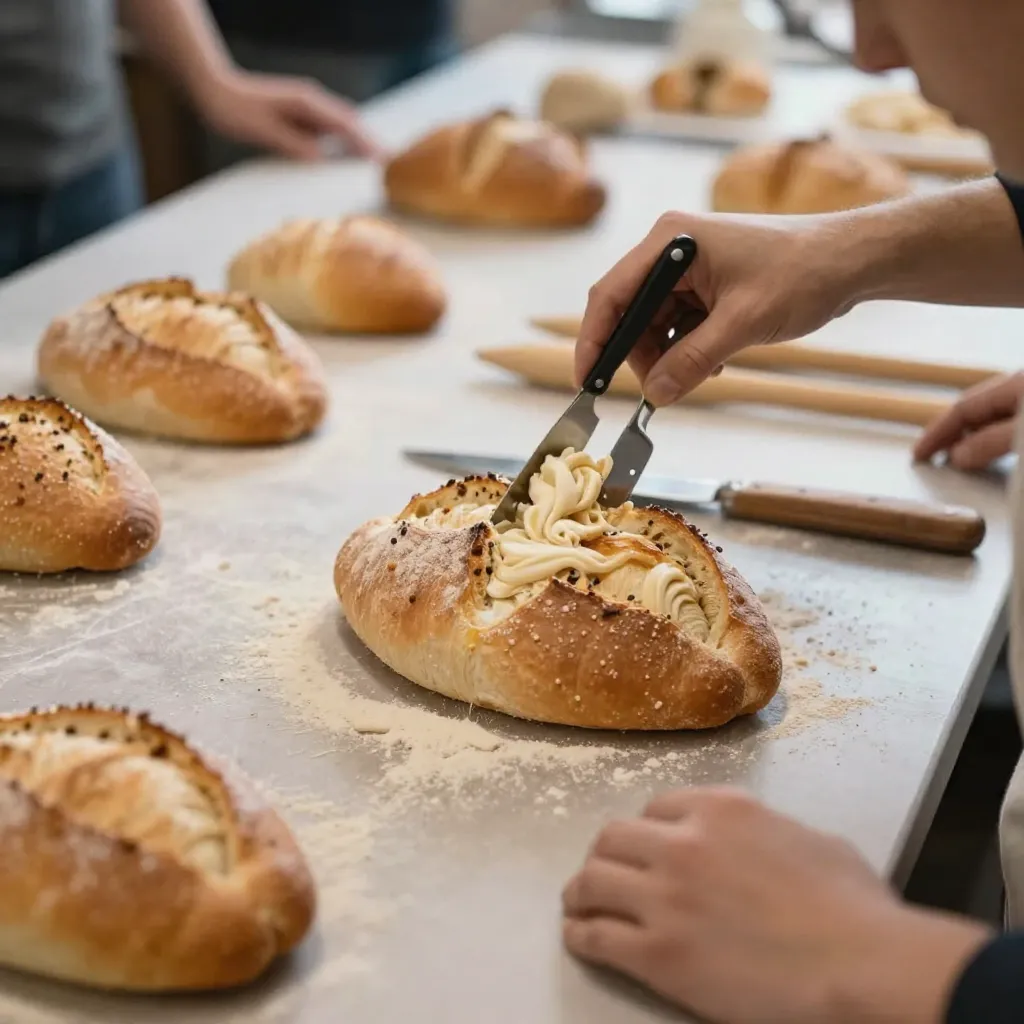
Cultural Transmission
Each regional tradition represents generations of accumulated knowledge, passed through families and communities. Understanding this transmission helps appreciate the depth and meaning of each technique.

Technique Evolution
Methods have evolved in response to available ingredients, climate conditions, and cultural preferences. This archive documents both traditional approaches and modern adaptations.
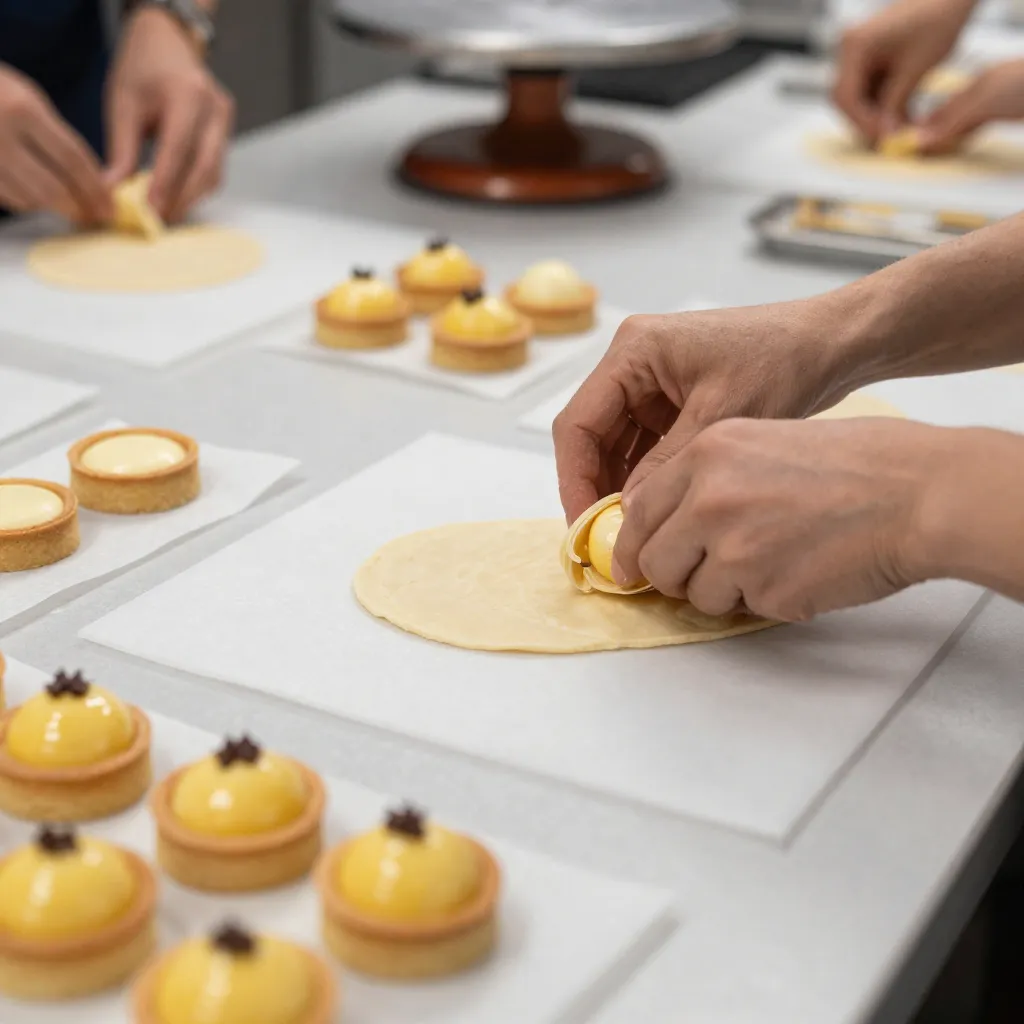
Contemporary Application
Today's bakers can draw from this archive to understand foundational principles while adapting techniques to modern equipment and ingredient availability.
Workshop Integration
Our workshops incorporate elements from various regional traditions, allowing participants to explore different approaches and understand the underlying principles that connect them. This comparative method builds versatile skills and deep appreciation for global culinary heritage.